Model Case / Huining County, Gansu
Huining County Second People's Hospital
Building county-level ophthalmology service capacity from zero
Through equipment coordination, expert guidance, doctor training, patient screening, and public-benefit support, the project helped the hospital build local cataract and ophthalmology service capacity.
Project location
Huining County, Gansu
Cooperation type
County hospital ophthalmology capacity building
Project focus
Cataract service pathway development
Core outcome
Department development and stronger local service capacity
Case Story
Background
Huining County Second People's Hospital faced growing ophthalmology needs among elderly and rural patients, while its existing eye-care service foundation remained limited.
Project objective
The goal was not only one public-benefit surgical support activity, but the development of sustainable local eye-care capacity, including screening, assessment, surgical support, training, and follow-up.
Why it matters
The case reflects Xentra Medical's integrated execution capability in grassroots ophthalmology capacity building, expert coordination, equipment and consumables support, doctor training, and patient service.
Challenges Before Cooperation
Weak ophthalmology foundation
The hospital had limited existing ophthalmology capacity and lacked a stable cataract pathway.
Insufficient local surgical capacity
Some patients needed to travel elsewhere for care, increasing time and financial burden.
Equipment and workflows needed improvement
Department development, equipment configuration, preoperative assessment, and follow-up workflows needed to be strengthened.
Limited patient service access
Some cataract patients lacked timely screening, diagnosis, and public-benefit support opportunities.
How We Supported
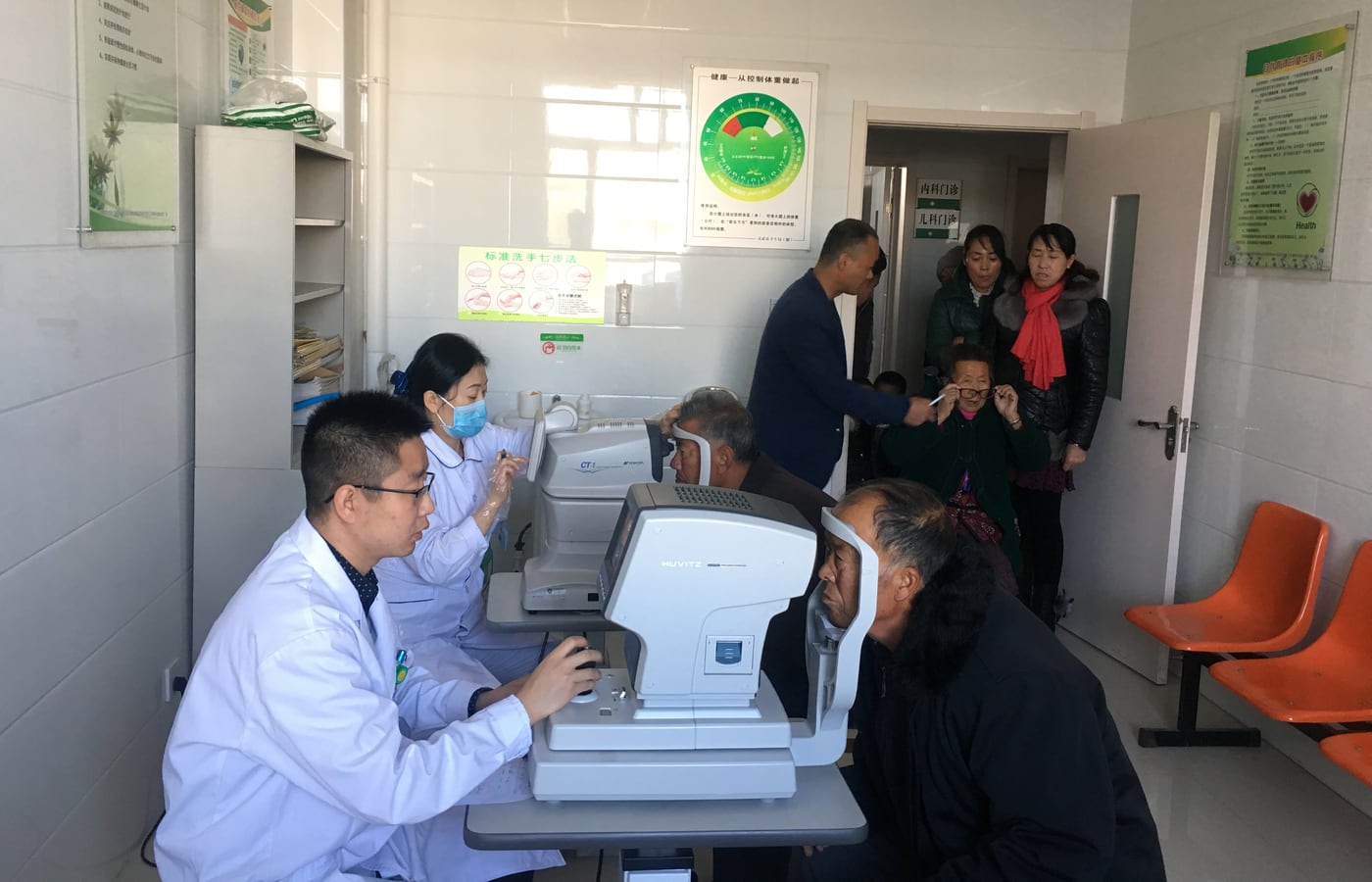
Department development and equipment coordination
Supported ophthalmology department development and coordinated ophthalmic equipment, surgical consumables, and related resources according to project needs.
Expert guidance and clinical support
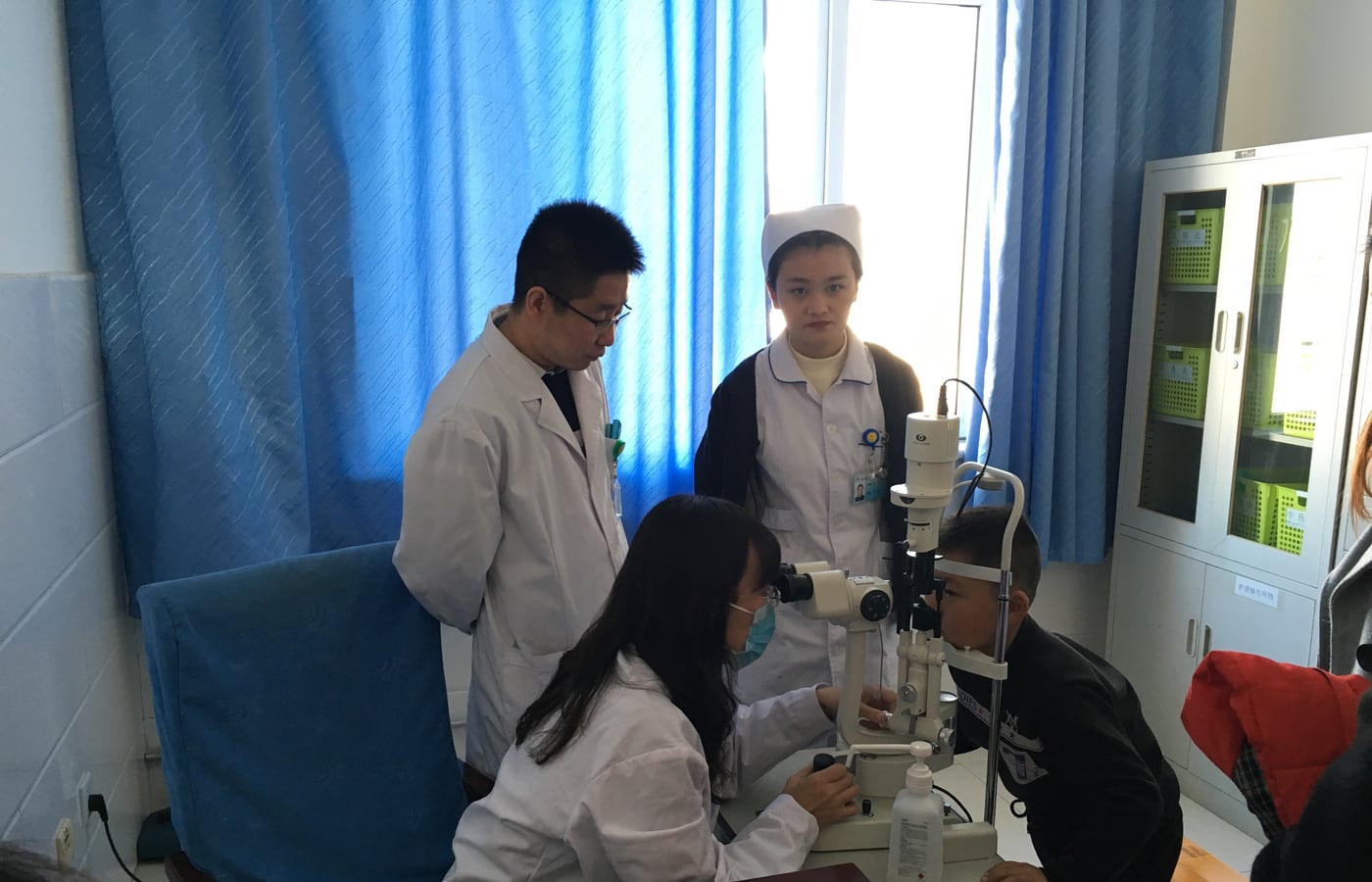
Organized ophthalmic experts to support cataract care, preoperative assessment, and surgical service collaboration.
Doctor training and technical mentoring
Supported local doctors through clinical training, surgical mentoring, and technical exchange.
Patient screening and public-benefit support
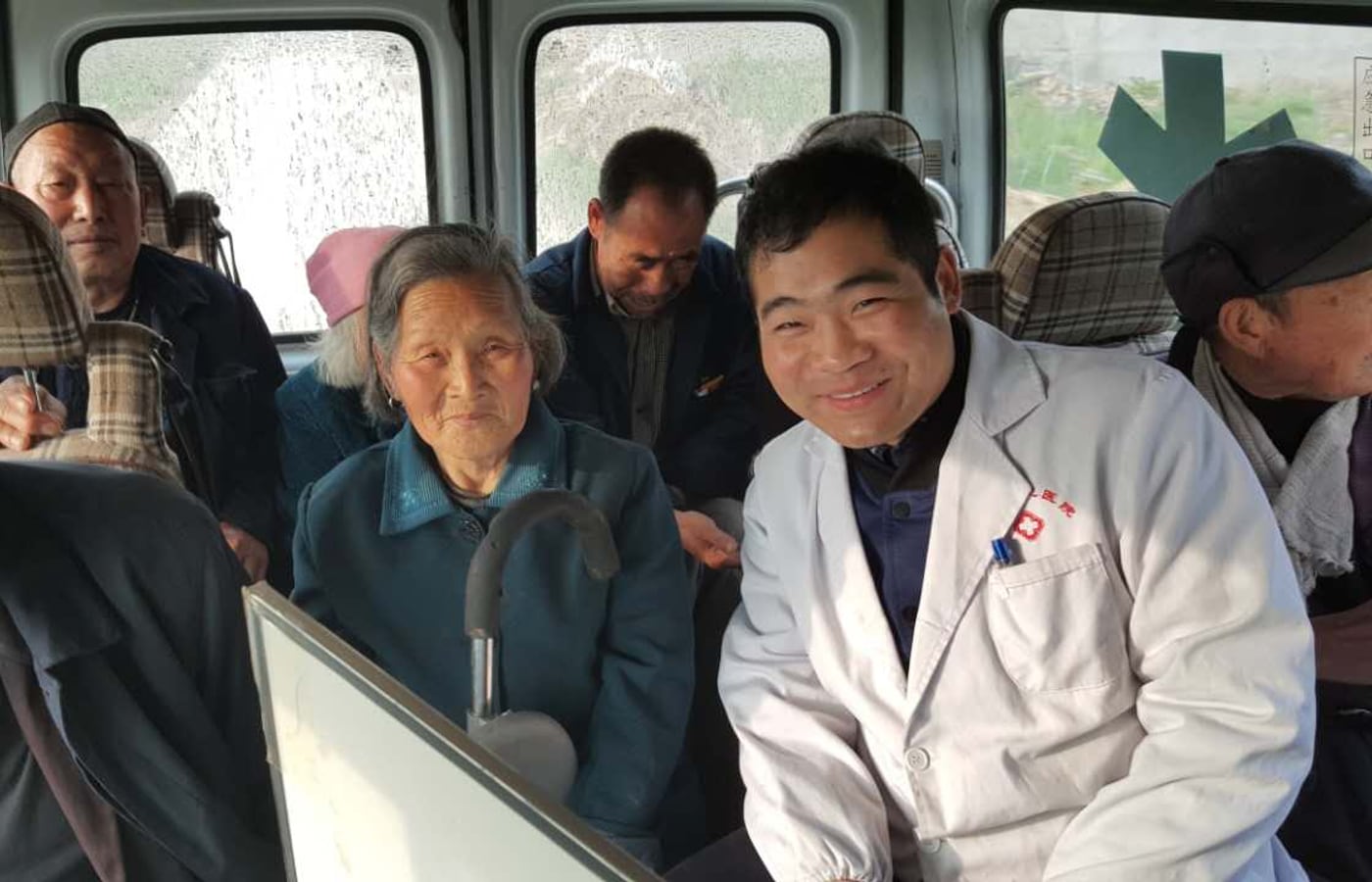
Helped organize patient screening, public-benefit support, and project service coordination.
Follow-up and service pathway development
Supported postoperative follow-up and continuous service workflows for long-term local capacity.
Service Pathway Development
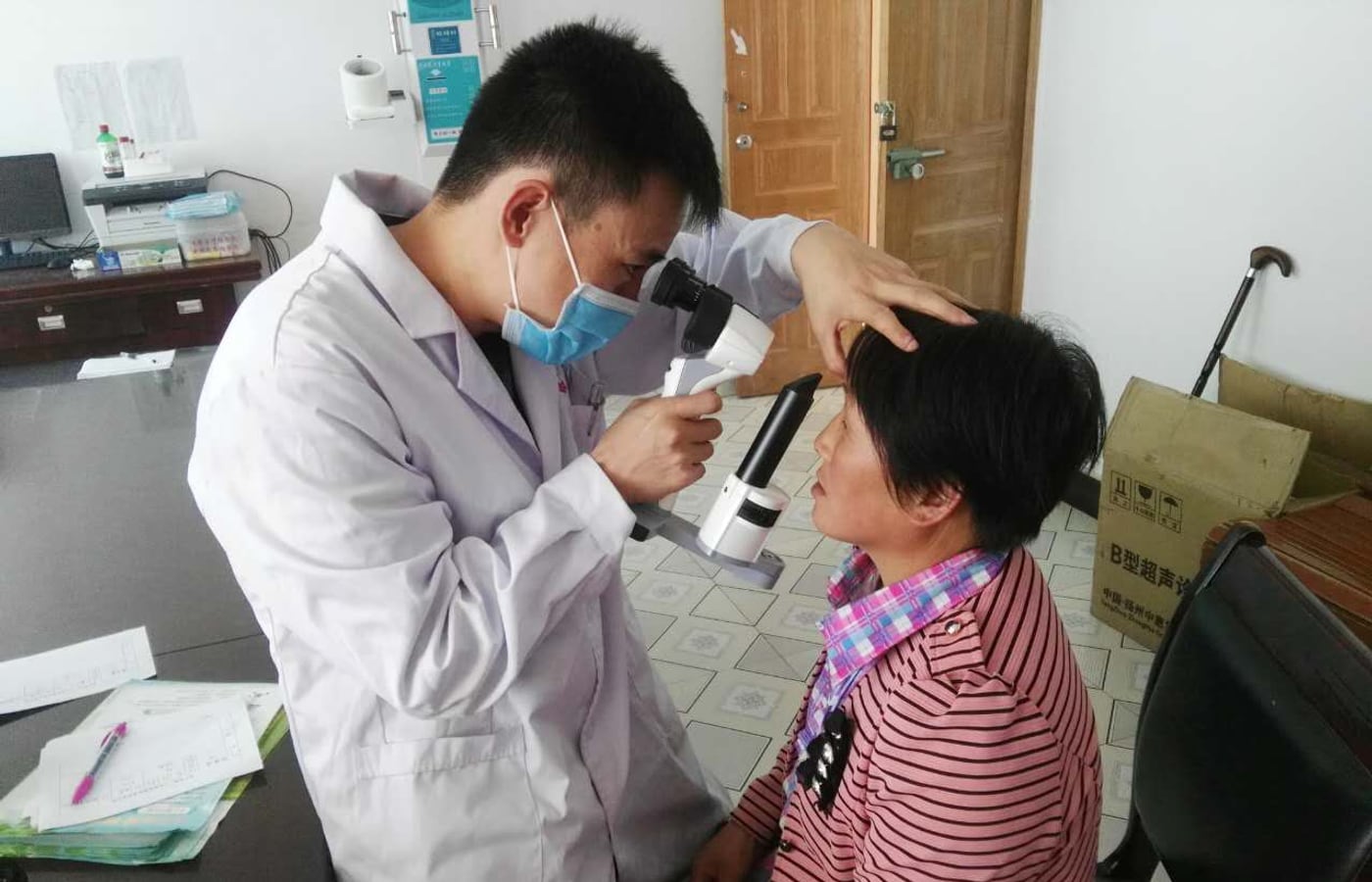
Patient screening
Identify cataract and eye-disease patients needing service.
Preoperative assessment
Complete basic examination, assessment, and readiness checks.
Expert support
Bring ophthalmic experts into clinical guidance and project collaboration.
Surgical service
Organize standardized surgical service under hospital conditions.
Postoperative follow-up
Track recovery and improve service records.
Ongoing local service
Help the hospital build a repeatable eye-care workflow.
Project Outcomes
- Established an ophthalmology department and basic service workflow.
- Formed a pathway for cataract screening, care, and postoperative follow-up.
- Supported local doctors with training related to eye-care service and project execution.
- Improved local patient access to ophthalmology services.
- Helped the hospital move from one-time project support toward sustainable local ophthalmology capacity building.
Project Gallery